


Advancing the Circular Economy: The Critical Role of Metal Recovery in Modern Trade
Advancing the Circular Economy: The Critical Role of Metal Recovery in Modern Trade
As global industries pivot toward more sustainable practices, the recovery and trade of ferrous scrap materials have emerged as vital components of the international supply chain. The collection of reinforced steel and industrial metal remnants represents a significant opportunity to reduce the carbon footprint of the construction and manufacturing sectors.
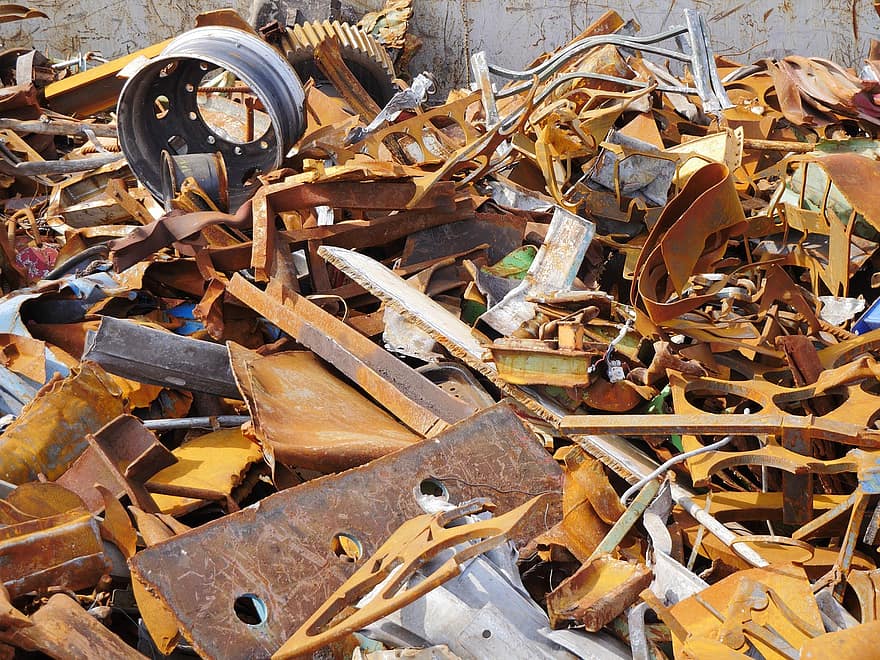
Efficiency Through Metal Reclamation Recent observations of industrial scrap collections—featuring high-density materials such as structural rebars and heavy metal plates—highlight a trend toward maximizing resource efficiency. By reclaiming these materials, businesses can mitigate the environmental impact of raw ore extraction while ensuring a steady flow of essential raw materials for local foundries.
Key Strategic Advantages:
- Reduced Energy Consumption: Smelting recycled metal requires significantly less energy compared to processing primary iron ore, leading to lower operational costs.
- Waste Stream Optimization: Modern logistics networks are increasingly adept at handling bulky industrial waste, turning potential environmental hazards into valuable trade commodities.
- Economic Stability: Diversifying the source of raw materials helps protect domestic industries from the volatility of global mining markets.